

AI code generation is a process where large language models translate natural language instructions into executable software code. This technology is rapidly changing how developers and non-technical founders create digital products. By automating repetitive coding tasks, these systems help reduce human error and accelerate the development lifecycle. I Team App Builder leverages a controlled AI build pipeline to turn plain-English briefs into planned, built, and tested applications. This approach allows users to focus on business logic rather than managing complex engineering stacks. The following list details the specific mechanisms that modern AI platforms use to minimize bugs and improve software reliability. For additional details, review the .
1. Automated Static Analysis and Syntax Validation
AI systems catch syntax errors before they reach the runtime environment. Traditional coding often relies on developers to manually review code for basic structural flaws. AI code generation tools integrate static analysis engines that scan generated code for syntax violations, undefined variables, and type mismatches. This immediate feedback loop prevents low-level errors from propagating into the application. By validating code structure at the moment of generation, the system ensures that the output is syntactically correct before any further processing occurs.
2. Runtime Verification and Automated Testing
Runtime verification executes the code to confirm it behaves as intended. Static analysis alone cannot detect logical errors that only appear when the software runs. AI platforms like I Team App Builder include a verification phase that runs the generated application in a sandboxed environment. This process checks for runtime exceptions, memory leaks, and unexpected behavior. If the application fails a test, the system can automatically trigger a repair loop to fix the issue. This ensures that the software is not just written, but actually works as described in the initial brief.
3. Context-Aware Code Completion and Refactoring
Context awareness allows AI to understand the broader application architecture. Early AI coding tools often generated code in isolation, leading to integration bugs. Modern systems analyze the entire codebase to understand dependencies and data flows. This context allows the AI to suggest refactoring that improves code quality and reduces technical debt. By understanding how different components interact, the AI can prevent conflicts that would otherwise cause the application to crash. This holistic view is critical for maintaining stability in complex applications.
4. Elimination of Human Fatigue and Cognitive Bias
AI does not suffer from fatigue, ensuring consistent code quality. Human developers are prone to making mistakes when they are tired, stressed, or distracted. These cognitive biases can lead to subtle bugs that are difficult to detect. AI code generation operates with consistent precision, regardless of time of day or project duration. This consistency helps maintain a high standard of code quality throughout the development process. By removing the human element from repetitive coding tasks, the system reduces the likelihood of simple oversight errors.
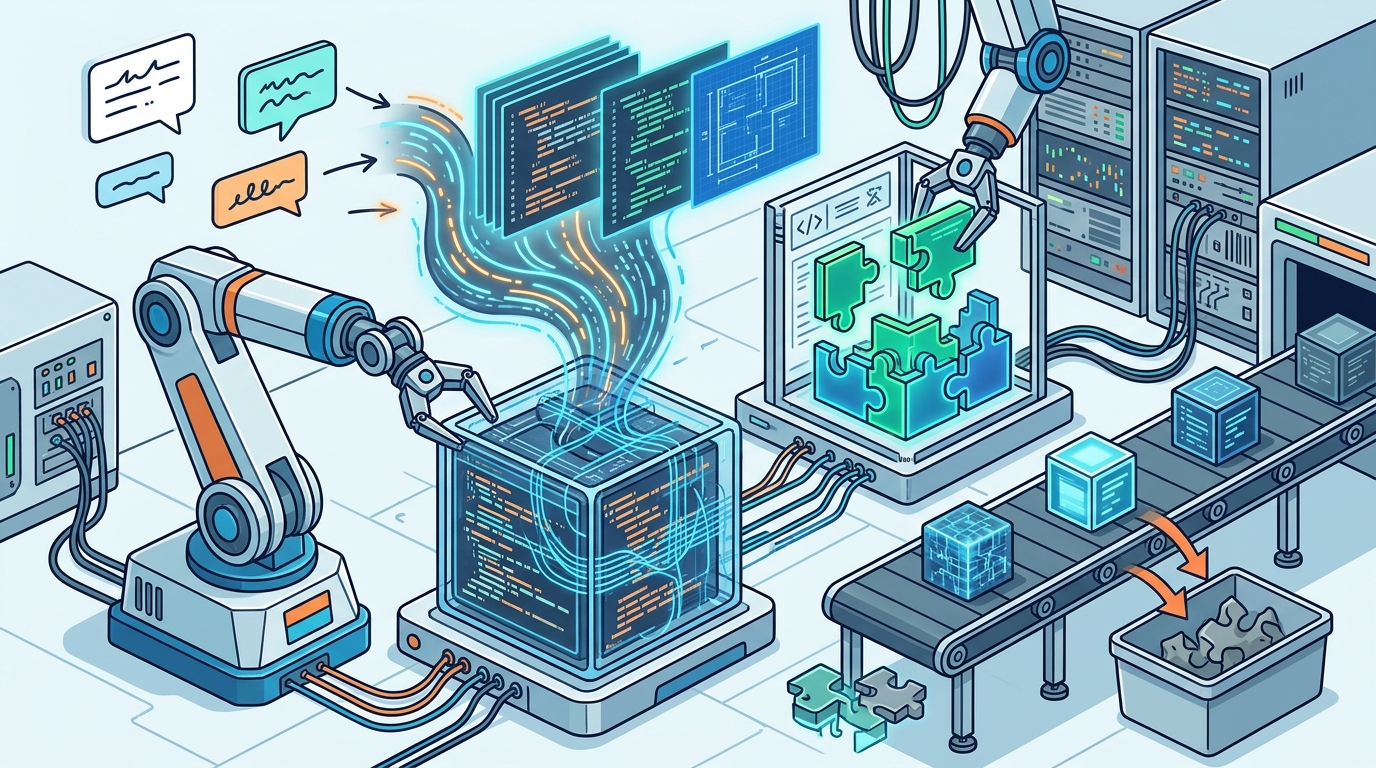
5. Version Control and Change Tracking
Versioning allows developers to track changes and revert to stable states. Bugs often appear when new features are added to existing code. AI platforms integrate with version control systems to track every change made to the codebase. This allows users to see exactly what was modified and when. If a new update introduces a bug, the system can revert to a previous stable version. This safety net is essential for maintaining application stability during iterative development. It provides a clear audit trail for all code changes.
6. Secure Coding Practices and Vulnerability Scanning
AI systems are trained to follow secure coding standards. Security vulnerabilities are a major source of bugs in modern applications. AI code generation tools are trained on secure coding practices to prevent common vulnerabilities like SQL injection and cross-site scripting. Some platforms also integrate vulnerability scanning tools to detect potential security risks. This proactive approach helps ensure that the generated code is not only functional but also secure. By adhering to best practices, the AI reduces the attack surface of the application.
7. Continuous Integration and Deployment Pipelines
Automated pipelines ensure that code is tested before deployment. Continuous integration (CI) and continuous deployment (CD) pipelines automate the testing and deployment process. AI platforms can integrate with these pipelines to ensure that every code change is tested before it reaches production. This reduces the risk of deploying buggy code to end users. By automating the deployment process, the system ensures that only verified code is released. This is a critical step in maintaining a reliable and stable application.
Choosing the Right AI Code Generation Approach
Selecting the right AI code generation tool depends on your specific needs and technical expertise. If you are a non-technical founder, look for platforms that offer a controlled build pipeline with automated verification. If you are a developer, focus on tools that integrate with your existing workflow and provide context-aware code completion. Always review the generated code and test the application thoroughly before relying on it for critical business operations. I Team App Builder is designed to help users plan, build, test, and prepare applications for deployment, but results can vary depending on the project and requirements.
Frequently Asked Questions
Does AI code generation guarantee bug-free software?
No, AI code generation does not guarantee bug-free software. While AI systems can significantly reduce the number of bugs by automating testing and validation, they are not perfect. Users should always review the generated code and test the application thoroughly before deploying it to production. The goal of AI code generation is to improve efficiency and reduce human error, not to eliminate all bugs entirely.
How does I Team App Builder verify generated code?
I Team App Builder uses a controlled AI build pipeline that includes a verification phase. This phase runs the generated application in a sandboxed environment to check for runtime errors and unexpected behavior. If the application fails a test, the system can automatically trigger a repair loop to fix the issue. This ensures that the software is not just written, but actually works as described in the initial brief.
Can AI code generation replace professional developers?
No, AI code generation cannot replace professional developers. While AI tools can automate repetitive coding tasks and accelerate the development process, they do not have the creativity, problem-solving skills, and domain expertise of human developers. AI is best used as a tool to augment developer productivity, not to replace them. Professional developers are still needed to design complex systems, make architectural decisions, and ensure that the software meets business requirements.
What are the risks of using AI-generated code?
How can I ensure the security of AI-generated code?
To ensure the security of AI-generated code, you should use a platform that follows secure coding practices and integrates vulnerability scanning tools. You should also review the generated code manually to check for potential security risks. Additionally, you should implement a robust testing process to ensure that the code is secure and functional. It is important to remember that AI code generation is not a substitute for professional security audits. If your application handles sensitive data, you should consider hiring a security expert to review the code.
Is I Team App Builder suitable for regulated industries?
I Team App Builder is an AI-assisted software creation platform that helps users plan, build, test, and prepare applications for deployment. However, results can vary depending on the project, integrations, data, and user requirements. Users should independently review software before relying on it for high-risk, regulated, financial, medical, legal, or security-sensitive use cases. References to testing or verification should reflect the actual tests performed and should not imply independent certification unless one has occurred.
Conclusion
AI code generation is a powerful tool that can help you build better software faster. By understanding the specific mechanisms that AI systems use to prevent bugs, you can make informed decisions about which tools to use and how to use them. I Team App Builder offers a controlled AI build pipeline that turns plain-English briefs into planned, built, and tested applications. To get started, you can visit the I Team App Builder website to learn more about how the platform works and to see the founding client offer. Remember to always review the generated code and test the application thoroughly before deploying it to production.